

The danger of self-medication in chronic pain and how the Pain Unit
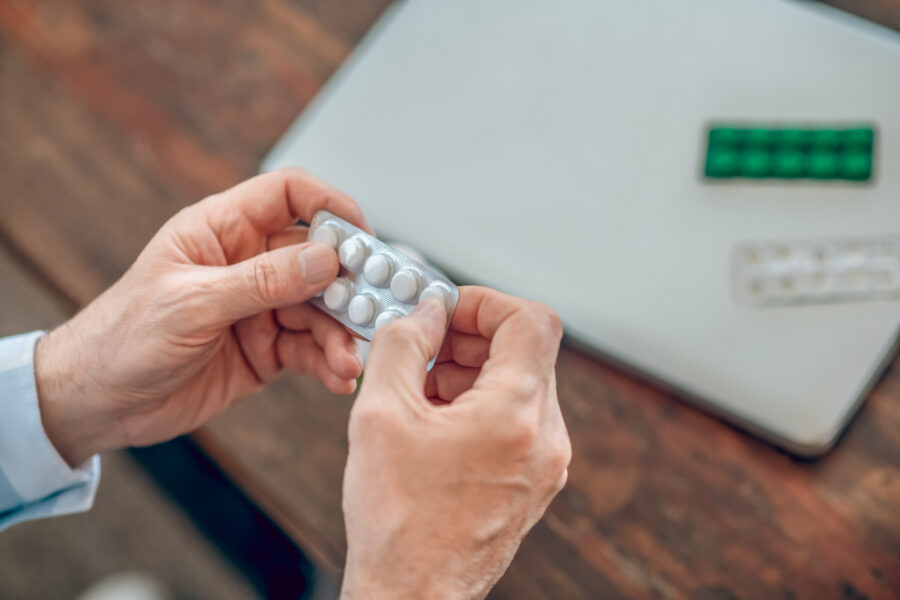
Use of opioids in the treatment of pain: risks and medical control
The treatment of pain with opioids is an effective tool in certain cases, but it is also complex and involves significant risks if it is not carried out under medical supervision. At MIVI Salud, we insist on the importance of rigorous clinical rigorous clinical follow-up to ensure patient safety and treatment efficacy.
Why is it dangerous to self-medicate with opioids?
The self-medication with opioids poses a high health risk. These drugs act directly on the nervous system, with potent and potentially dangerous effects.
Main risks of opioids
-
Addiction and dependence
Continued use can lead to physical and psychological dependence. In addition, the body develops tolerance, leading to the need for higher and higher doses.
-
Drug interactions
Opioids can interact with other medications, supplements or even foods, increasing the risk of serious adverse effects.
👉 For example, prolonged use of anti-inflammatory drugs can also lead to problems such as kidney failure or hypertension.
-
Dosing errors
Without medical control, there is a risk of overdose or ineffective treatments that do not resolve the pain.
The importance of a Pain Unit
Opioid treatment should always be supervised by specialists in a pain unit. Pain Unitwhere an individualized follow-up of the patient is carried out.
Keys to medical control
1. Previous evaluation of the patient
Risk factors such as a history of addiction or psychological disorders are analyzed.
Periodic reviews
-
First check-up: between week 1 and 4
-
Follow-up in chronic pain: every 3 months
It allows to assess efficacy and detect side effects (drowsiness, falls, cognitive alterations…).
3. Medication control
It avoids duplication or dangerous combinations between treatments prescribed by different physicians.
4. Special attention to vulnerable patients
In elderly people, control is key to prevent falls, sedation or interactions.
Treatment of chronic non-oncologic pain (CNOCP)
In chronic chronic non-cancer painIn chronic non-cancer pain, prolonged opioid use is not always the best option. Therefore, the current approach prioritizes safer and more effective long-term strategies.
Treatment objectives
-
Use the minimum effective dose
It is recommended not to exceed 90 mg/day of morphine or equivalent, except in very justified cases.except in very justified cases.
-
Improve patient functionality
Not only to reduce pain, but also to recover quality of life: work, move, rest better.
-
Apply alternative treatments
In a Pain Unit, priority is given to therapies such as:
-
Advanced physiotherapy
-
Rehabilitation
-
Cognitive-behavioral therapy
-
Interventional techniques (infiltrations, radiofrequency, neuromodulation)
-
-
Reduce medication when possible
If there are no clear benefits or adverse effects appear, a progressive deprescription is initiated. progressive deprescriptionalways supervised.
MIVI Salud approach: less drugs, more quality of life
At MIVI Salud we work with an integral approach to pain, where the objective is not only to alleviate symptoms, but also to improve the patient’s life with the least possible pharmacological burden. to improve the patient’s life with the least possible pharmacological burden..
👉 Whenever possible, we seek to reduce or eliminate medication through personalized treatments and advanced techniques.
Conclusion
Opioids are useful drugs, but they should be used with caution and always under medical supervision. The multidisciplinary approach in a Pain Unit allows finding the balance between efficacy, safety and quality of life.
Author: Dr. Kike del Cojo
Director of the MIVI Cáceres Pain Unit