
Invasive physiotherapy vs. conventional physiotherapy: when to use EPI or neuromodulation
Published on:
Last modified:
What is the difference between invasive physical therapy and conventional physical therapy?
Physiotherapy has evolved enormously in recent years. Today, in addition to traditional techniques, there are more advanced treatments that allow to act directly on the injured tissue.
Among the most frequently asked questions by patients are:
When is it necessary to use invasive physical therapy with needles?
To answer this question it is important to first understand the difference between conventional physical therapy and invasive physical therapy.
Conventional physiotherapy: the traditional treatment for muscle and joint injuries
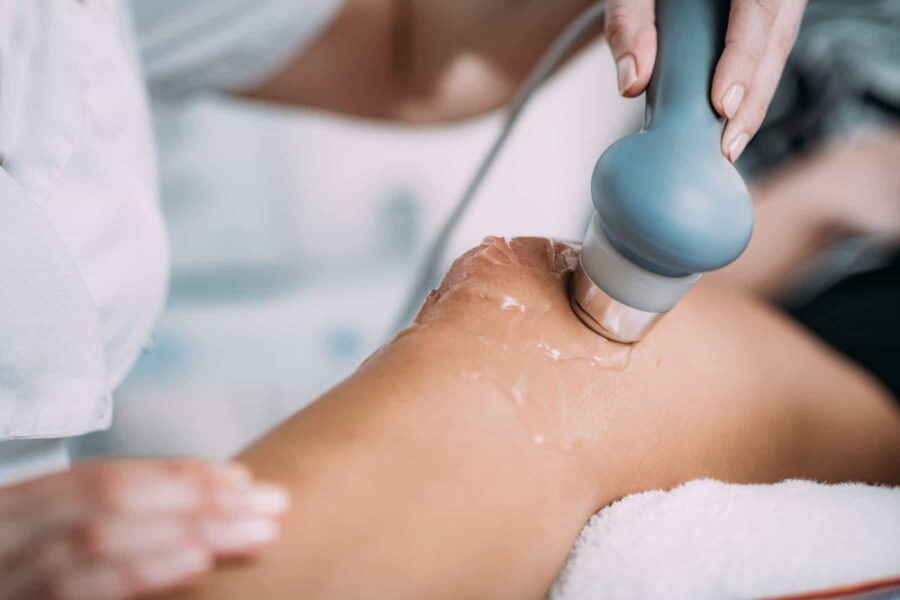
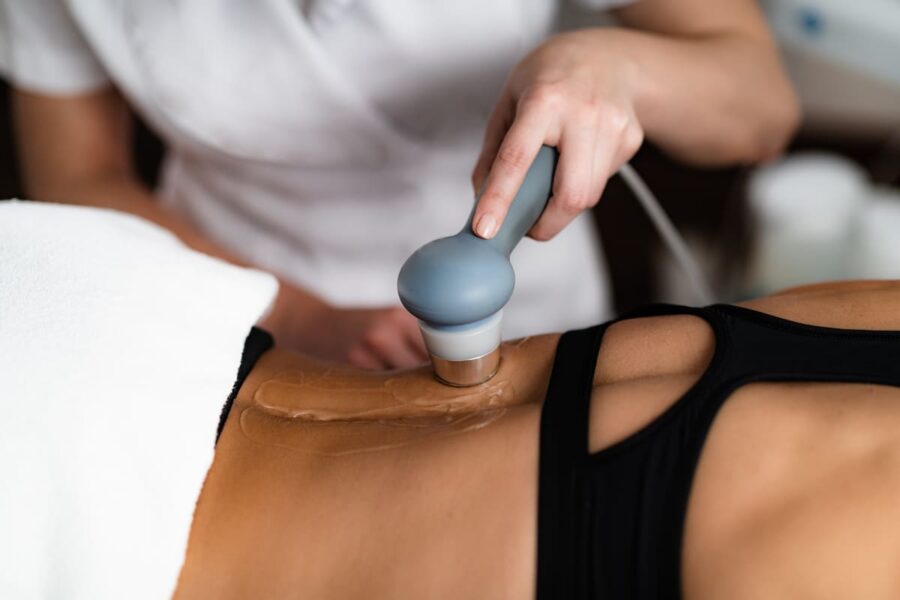
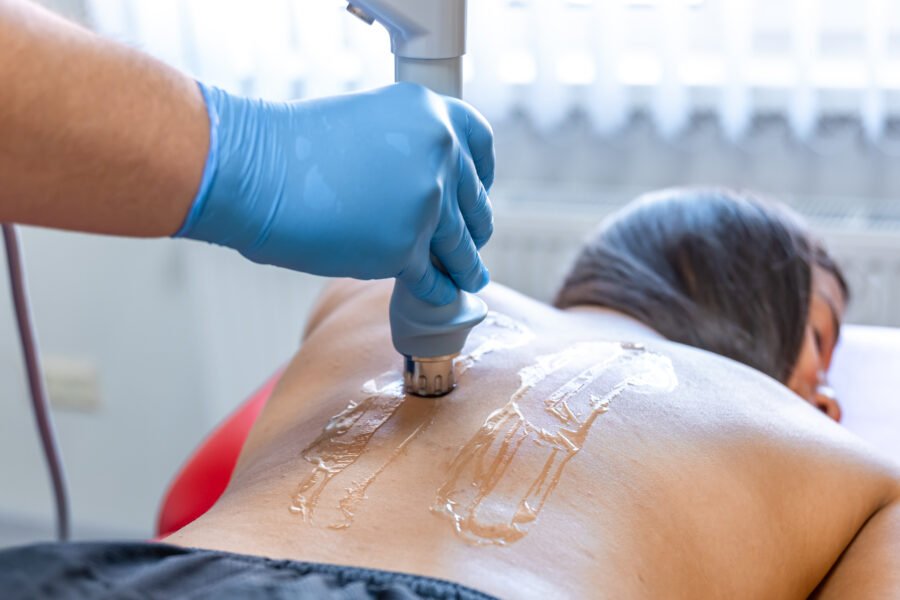
Conventional physiotherapy includes all non-invasive therapeutic techniques, i.e. those that do not penetrate the skin.
Among the most common treatments are:
– manual therapy
– massotherapy
– joint mobilization
– therapeutic stretching
– therapeutic exercise
– electrotherapy
– thermotherapy and cryotherapy
These techniques are especially effective in:
– muscle contractures
– muscle overloads
– acute injuries
– recent inflammatory processes
In many cases, this type of physical therapy is sufficient to restore function and eliminate pain.
Invasive physiotherapy: direct treatment on the injured tissue
Invasive physiotherapy uses needles to act directly on the damaged tissue. These techniques stimulate regeneration processes that are not always achieved with conventional treatments.
The most commonly used techniques include:
Percutaneous Intratisular Electrolysis (PIE®)
EPI is a technique that uses a galvanic current applied by means of a needle directly on the injured tissue.
Its objective is to provoke a controlled inflammatory response that stimulates the regeneration of damaged tissue, especially in chronic injuries.
It is frequently used in:
– patellar tendinopathy
– Achilles tendinopathy
– epicondylitis (tennis elbow)
– rotator cuff injuries
– muscle fibrosis
– spinal pathology
Percutaneous neuromodulation
Percutaneous neuromodulation consists of applying an electric current through a needle near a peripheral nerve to modulate its activity.
This allows:
– reduce pain
– improve neuromuscular function
– recovering movement patterns
It is commonly used in:
– spinal pathology
– pyramidal syndrome
– neuropathic pain
– recurrent muscle injuries
When is invasive physical therapy indicated?
Invasive techniques are usually recommended when:
– acute or chronic pain
– there is tissue degeneration
– conventional treatments have not worked
– muscle fibrosis or adhesions appear
In these cases, invasive physiotherapy allows to act directly on the cause of the problem.
The key to success: combining therapeutic exercise and techniques
In modern physiotherapy there is no single miracle technique.
The best results are obtained by combining:
– accurate diagnosis
– invasive ultrasound-guided physiotherapy
– manual therapy
– personalized therapeutic exercise
This approach accelerates recovery and prevents relapses.
At MIVI Fisioterapia Avanzada we work with personalized treatments based on clinical diagnosis, advanced technology and physiotherapy based on scientific evidence.
Frequently asked questions:
Does invasive physical therapy hurt?
It may generate a slight discomfort during the session, but it is usually well tolerated and the subsequent pain is mild.
How many EPI sessions are needed?
It depends on the injury, but usually between 3 and 5 sessions are sufficient.
Does invasive physical therapy replace exercise?
No. It should always be combined with therapeutic exercise to achieve lasting results.
Author: Hugo Quintana
Director of MIVI Advanced Physical Therapy