

Nutrition and pain: What to eat to reduce inflammation?
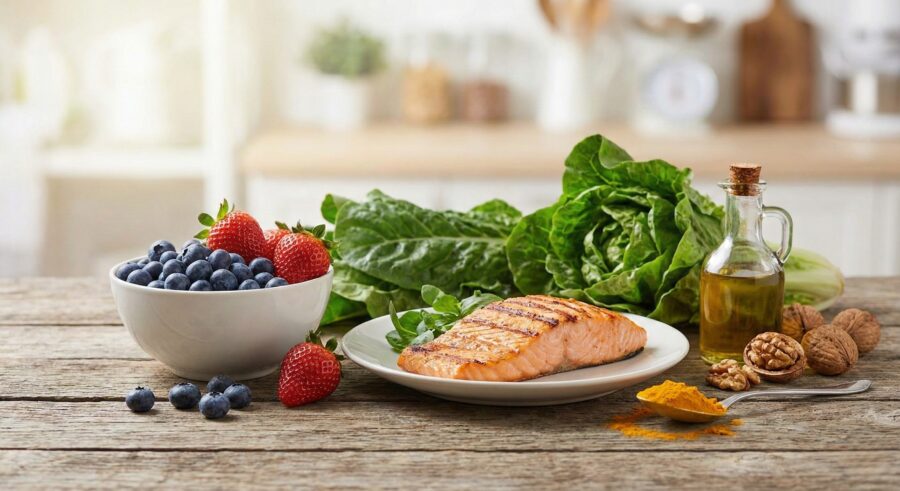
The relationship between what we eat and how we feel goes far beyond body weight. For people with chronic pain, the right diet can make a big difference. At mivisalud.com, we explore how an anti-inflammatory diet can help you reduce pain, improve your well-being and complement your medical treatment in a natural way.
What is inflammation and how is it related to pain?
Inflammation is a natural response of the body to injury, infection or toxins. Although beneficial in the short term, when it becomes chronic it can contribute to the development of multiple diseases and persistent pain such asarthritis, fibromyalgia, muscle or back pain.
A pro-inflammatory diet, rich in sugars, trans fats and ultra-processed foods, can worsen this condition. In contrast, a diet based on anti-inflammatory foods can help relieve pain, improve mobility and promote a better quality of life.
Anti-inflammatory diet: What foods help reduce pain?
Here are the main foods that reduce inflammation and that you can include in your daily diet to complement comprehensive pain management:
- Fruits and vegetables rich in antioxidants
- Examples: blueberries, strawberries, spinach, broccoli, carrots.
- Benefits: combat oxidative stress and reduce inflammatory markers in the body.
- Healthy fats
- Examples: avocado, extra virgin olive oil, nuts, chia seeds.
- Benefits: rich in omega-3 fatty acids, which have proven anti-inflammatory properties.
- Oily fish
- Examples: salmon, sardines, mackerel.
- Benefits: they contain high levels of omega-3, associated with less joint pain and stiffness.
- Legumes and whole grains
- Examples: lentils, chickpeas, oats, quinoa, brown rice.
- Benefits: they provide fiber, regulate blood sugar and reduce intestinal inflammation.
- Anti-inflammatory spices
- Examples: turmeric, ginger, garlic.
- Benefits: they have bioactive compounds that block inflammatory processes at the cellular level.
- Green tea
- Benefits: contains catechins, antioxidants that may help reduce systemic inflammation.
Foods to avoid if you suffer from chronic pain
Just as some foods help, others can aggravate inflammation and pain. The main culprits include:
- Refined sugars and sugar-sweetened beverages
- White flour and ultra-processed products
- Trans fats and fried foods
- Processed meats (sausages, sausages)
- Alcohol in excess
Reducing your intake can help you feel more energetic, less stiff and less painful on a daily basis.
Why is nutrition important in comprehensive pain management?
Adopting an anti-inflammatory diet is not an instant cure, but it can become a powerful and sustainable tool to reduce symptoms, improve response to treatments and recover your quality of life.
At mivisalud.com, we promote a comprehensive approach to treating pain, which includes:
- Specialized medical evaluation
- Adapted physical activity
- Psychological support
- Complementary therapies such as mindfulness
- And of course, evidence-based nutrition education.
Practical tips to get started today
- Swap processed snacks for fresh fruits or nuts.
- Incorporate vegetables in at least two meals a day.
- Substitute white flours for whole-grain options.
- Add a teaspoon of turmeric and ginger in your soups or smoothies.
- Choose fish twice a week instead of red meat.
Small, sustained changes can generate large long-term benefits.
Conclusion: Eat well to live with less pain
Your diet can be your best ally in reducing inflammation and relieving chronic pain. Adopting an anti-inflammatory diet will not only help you better control your symptoms, but also help you prevent disease and feel more vital every day.
At mivisalud.com, we accompany you with advice, personalized guides and the support of professionals to improve your well-being from the root.
General Director of Physiotherapy