

Technology in physical therapy: how Magnetolith and SIS accelerate tissue regeneration and pain
Published on:
Last modified:
The technological revolution in physiotherapy
Modern physiotherapy has incorporated technologies capable of stimulating tissue regeneration and accelerating recovery from musculoskeletal injuries.
Among the most innovative are the following:
– Magnetolith
– SIS (Super Inductive System)
These technologies make it possible to treat injuries that previously required long recovery periods.
Magnetolith: high-frequency magnetotherapy for tissue regeneration
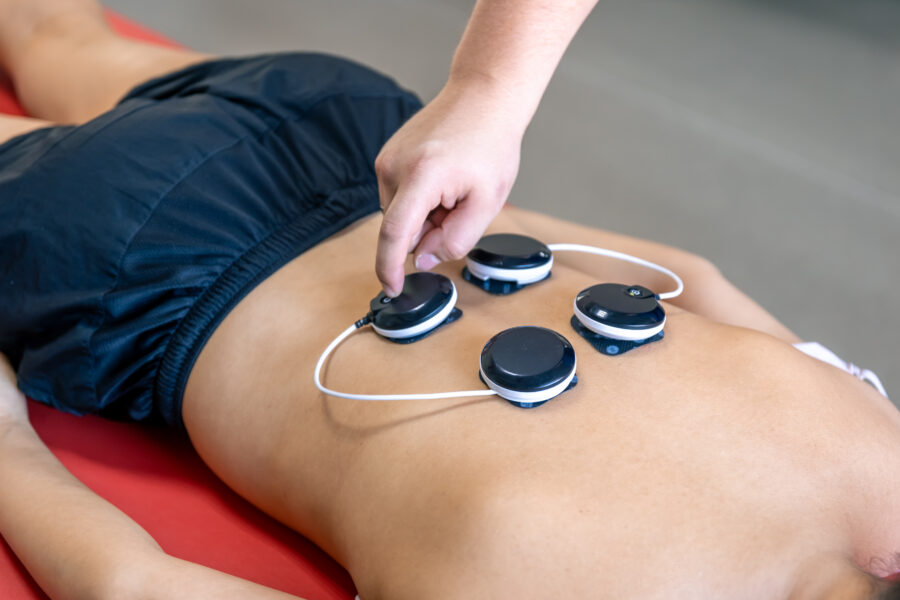
Magnetolith is a technology based on high-energy electromagnetic fields that stimulate the body’s natural repair processes.
Unlike traditional magnetotherapy, this technology is able to penetrate deeper into the tissues.
Its benefits include:
– stimulation of cell regeneration
– improvement of local circulation
– pain reduction
– decreased inflammation
It is used in the treatment of:
– muscular injuries
– tendinopathies
– low back pain
– joint injuries
– sports recovery
SIS (Super Inductive System): high-intensity magnetotherapy for tissue pain
The Super Inductive System (SIS) uses a high intensity electromagnetic field to stimulate muscles and nerves in depth.
This activates weakened or inhibited muscles, improves neuromuscular function and reduces pain.
Among its most frequent applications are:
– low back pain
– cervical pain
– sports injuries
– persistent contractures
– recovery after surgery
Technology + diagnostics = advanced physiotherapy
Although these technologies are very powerful, the success of the treatment always depends on a correct diagnosis and a personalized therapeutic plan.
In advanced physiotherapy they are combined:
– clinical diagnosis
– musculoskeletal ultrasound
– manual therapy
– therapeutic exercise
– advanced technology
This approach reduces recovery times and improves clinical outcomes.
Frequently asked questions:
Does Magnetolith hurt?
No. It is a completely painless treatment.
How many sessions are needed?
Usually between 5 and 8 sessions, depending on the injury.
Can it be combined with conventional physical therapy?
Yes, in fact, it is usually combined with manual therapy and therapeutic exercise.
Author: Hugo Quintana
Director of MIVI Advanced Physical Therapy