Cervical radicular pain or “cervical sciatica”.

What is

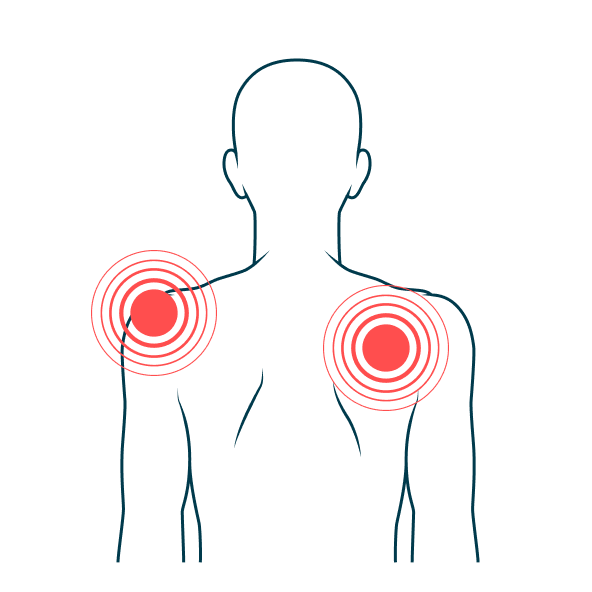
Radicular pain, or also commonly called sciatica (when it affects the legs) can also manifest itself in the upper limbs (arms). This pain, as in the legs, when it manifests itself in the arms, it manifests itself as a tingling, numbness or electric sensation that affects different areas. This pain can cause significant discomfort in the sufferer and may also be accompanied by alterations in motor skills. Determining the origin of the problem and where it is located is essential in order to apply the most appropriate treatment.
Causes

Generally this type of pain is produced as a consequence of the compression of one of the nerves that come out of the medulla to give sensory and motor capacity to the different parts of the upper limbs. Places where they can usually be compressed:

  • Intervertebral disc (due to protrusion or herniation).
  • Narrowing of the bony canal through which the nerves exit (known as the intervertebral foramen).
  • Compression of the nerve at different points along its course from the medulla to its destination in the arm. The most frequent are the nerves at the level of the cervical musculature, at the level of the elbow compressing the ulnar nerve and at the level of the carpal tunnel in the wrist.

Symptoms

  • Pain in different areas or regions of the arm / forearm or hand.
  • Numbness sensation manifested in different areas of the arm/forearm or hand.
  • Neuropathic symptoms such as a sensation of electricity or electric/ burning pain.
  • All of these symptoms depending on where the nerve compression occurs can affect one part or more of the arm or both.


 

Approach protocol

Diagnosis and assessment

A correct medical evaluation will be necessary by means of a good anamnesis, physical examination and, if necessary, support of imaging tests. Focusing especially on detecting the origin and cause of the pain. Sometimes this diagnosis may involve the collaboration of other professionals such as neurologists, neurosurgeons, maxillofacial surgeons, dentists, rehabilitators and physiotherapists.

Tests if necessary

X-rays, MRI and functional tests such as electromyography are usually performed.

Treatment for radicular pain

Treatment will depend on the physician’s diagnosis and may be applied:

  • Drugs for pain relief
  • Physiotherapy: methodology based on knowledge and clinical reasoning in which we combine a series of techniques and treatments both manual therapy and invasive techniques, always associated or complementing them with cutting-edge technology that allows us to accelerate the recovery process. Among other high-tech devices include Magnetolith, SIS, focal shock waves, Indiba, among others. This therapeutic combination allows us to activate the patient early to begin with a routine and a process of specific therapeutic exercises that allow us to enhance and strengthen the lost functional patterns.
  • Interventional treatments:
    • Epidural blocks
    • Radiofrequency of dorsal root ganglion
    • Intradiscal techniques
    • Functional rehabilitation

Here begins your life without pain

Our customers say

toxic
Hace cerca de 20 años que me visito con el doctor Genaro Mañero y estoy muy contenta con sus visitas y revisiones. Es un excelente profesional y muy atento con sus pacientes.
Miguel Gómez López
Mu buen doctor el doctor madero
Jesus Arias
Me atienden de maravilla. Buenos profesionales.
Rufino Cortes
El doctor MORALES es un crack, nada mas tengo que elogios para el como persona y profesional. Llevo con unos 9 años con el y me estoy salvando de operarme.
Kelsang Gachog
elena casado gomez
Paula y Silvia buenisimas recepcionistas, super amables y atentas!! :)
Carlos Luzón
FRANCISCO DUCA Y SU EQUIPO SON LOS MEJORES QUE ME HAN TRATADO
Marc Guerrero
Muy buena experiencia, buen doctor
Janira Arnedo

Insurance companies

Ask your MIVI centre for information on the agreements with insurance companies.