What Is a Disc Protrusion? Symptoms and Treatment
Published on:
Last modified:
Approximately 80% of the consultations to the doctor for low back pain are due to diseases or disorders related to the intervertebral discs.
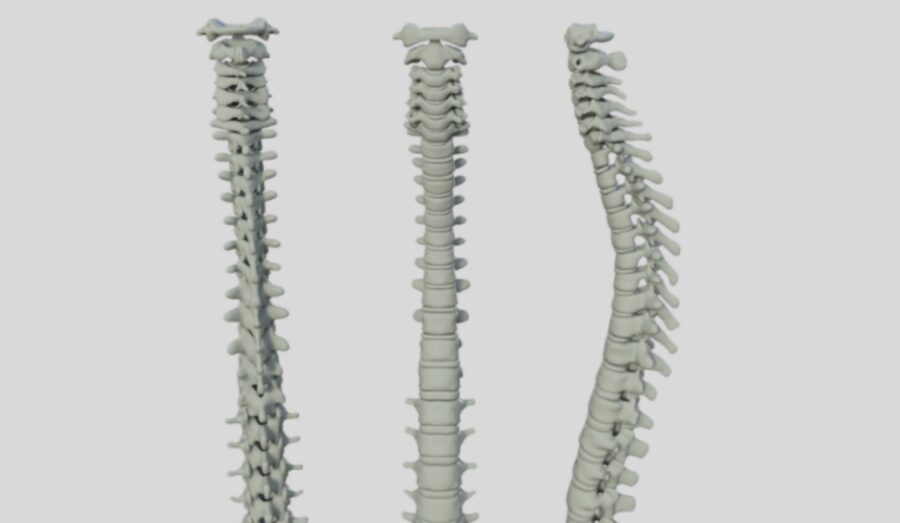
The spine is a hinged structure located in the middle back of the trunk, running from the head to the pelvis. Its main functions are structural and protection of the spinal cord. It is composed of vertebrae articulated together by cartilaginous joints in the posterior part and the intervetebral discs in the anterior part. The vertebral discs are nuclei of lax connective tissue that act as cushions that prevent friction between the different vertebrae and distribute the load supported.
During childhood, human beings have 33 vertebrae (7 cervical + 12 thoracic + 5 lumbar + 5 sacral + 4 coccyx). In adulthood, the sacral and coccyx vertebrae join together to form solid structures in continuity.
The vertebral (or intervertebral) discs protect the vertebrae, their joints and nerves, and are found between each of them. Over time, especially when repeatedly subjected to inadequate movements or excessive load, the vertebral discs may suffer degeneration. To understand this we must know the structure of these discs.
Structure of the vertebral discs
It consists of two distinct parts:
- The central part is known as the nucleus pulposus and is composed of a water-based gelatinous substance in which we find collagen fibers and cartilaginous cells among other compounds.
- The peripheral part, known as the annulus fibrosus, is composed of concentric layers of fibers that intertwine between one layer and another to give the annulus fibrosus greater strength. This ring prevents, under normal circumstances, the substance of the nucleus pulposus from escaping to the outside.
The thickness of the vertebral discs varies according to the level of the spine at which they are found; starting at 3 millimeters in the discs located between the cervical vertebrae and increasing in thickness as we go down the spine, reaching up to 9 millimeters in the discs of the lumbar region.
What is a disc protrusion?
If the inner fibers of the annulus fibrosus rupture, the nucleus pulposus inside is displaced into the fissure, by pushing against and applying pressure to the damaged area. When this happens, we refer to it as a disc protrusion.
Are disc protrusion and a herniated disc the same thing?
When the injury or tear in the fibrous ring of the vertebral disc is more severe, the gel-like substance inside the disc may protrude outward. In this case, we refer to a herniated disc, which is a more significant and serious form of disc degeneration than a disc protrusion.
Main Symptoms of Disc Protrusion
The risk of developing a disc protrusion increases with age and is relatively common after age 40. However, other factors—such as obesity, lack of physical activity, or a job that involves repetitive physical tasks—can also increase the risk.
A disc protrusion can range in severity. If the damage to the annulus fibrosus is minor, the affected person may not even experience any symptoms, but if the damage is more severe, it can cause acute pain and even muscle spasms due to the narrowing of the canal through which the nerves and spinal cord pass.
Treatment of Disc Protrusion
The spinal column protects the spinal cord, which is responsible for transmitting nerve impulses between the brain and the rest of the body in both directions. It is therefore an extremely delicate area and surgical intervention is reserved for cases of extreme necessity.
Treatment for disc protrusion typically involves medication, a regimen of gentle exercise, and physical therapy. Generally, with these measures, the affected person experiences a significant improvement in their symptoms and can lead a normal life.
It is very important that, once the source of the problem has been identified, steps be taken to prevent the disc protrusion from progressing further, as it could eventually lead to a herniated disc, causing more pain and even limiting your ability to perform certain activities. Prevention is very important, especially if your daily activities put you at an increased risk of developing this condition.
References:
- Mateo, J. A. T. (2008, December 30). Aging of the nucleus pulposus: true cause of disc herniation (m51.8 of the cie-10). Bibliographic review | Tomalá Mateo | Medicine . Medicine. https://rmedicina.ucsg.edu.ec/index.php/ucsg-medicina/article/view/223