
22 years living with chronic pain: how neurostimulation can change a patient’s life
Published on:
Last modified:
How to treat chronic pain when treatments are not working
The chronic pain is one of the main causes of disability worldwide. It is estimated to affect more than 20% of the adult population and, in many cases, does not respond to conventional treatments.
When pain continues for years, finding an effective solution may seem impossible. However, there are advanced alternatives such as spinal cord neurostimulation (SCS) that are changing the approach to these patients.
In this article, we tell you the real case of a MIVI Granada patient who managed to improve her quality of life after more than 22 years living with pain.
22 years of chronic pain: a common story
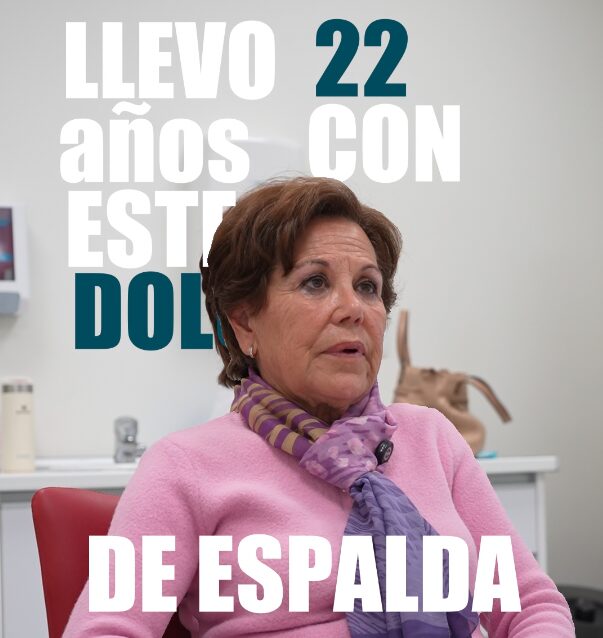
Our patient lived with persistent chronic pain for more than two decades. She has undergone several treatments without significant improvement.
Throughout this time, he tried multiple therapeutic options:
-
Pharmacological treatments
-
Conservative therapies
-
Complementary techniques
This course is common in patients with refractory chronic pain, where the problem is not only the intensity of the pain, but its persistence and resistance to treatment.
Pain Unit: the importance of a specialized diagnosis
The turning point came after his assessment at the Pain Unit of MIVI Granada, where a complete and individualized study was carried out.
The medical team, led by Dr. Alberto Vela, identified the patient as a candidate for neuromodulation treatment using spinal cord neurostimulation (SCS). neuromodulation treatment using spinal cord neurostimulation(SCS)..
This type of specialized units allow:
-
Evaluate complex cases of chronic pain
-
Design customized treatments
-
Apply advanced techniques based on scientific evidence
What is spinal cord neurostimulation (SCS)?
The spinal cord neurostimulation is an advanced technique that is part of neuromodulation.
It consists of the implantation of a device that emits mild electrical impulses over the spinal cord, modifying the transmission of pain signals to the brain.
Unlike other treatments:
-
It does not eliminate the structural cause, but it does reduces the perception of pain
-
Allows therapy to be adjusted according to the patient’s response
-
Reversible and customizable
Results: improvement of pain and quality of life
After implantation of the neurostimulation system, the results were clear and sustained:
-
Significant decrease in pain
-
Complete opioid withdrawal
-
Recovery of daily functionality
-
Overall improvement in quality of life
These types of results reflect the real impact that advanced therapies can have on patients with chronic pain.
Chronic pain management: a multidisciplinary approach.
Successful chronic pain management does not depend solely on one technique, but on a multidisciplinary approach. multidisciplinary approach.
At MIVI, this approach includes:
-
Specialized medical evaluation
-
Advanced interventional treatments
-
Personalized follow-up
-
Coordination between professionals
This model makes it possible to offer solutions even to patients who have not responded to other treatments for years.
When is neurostimulation indicated?
The spinal cord neurostimulation is indicated in patients with:
-
Chronic persistent pain
-
Lack of response to conventional treatments
-
Dependence on analgesic medication (especially opioids)
-
Significant impact on their quality of life
A correct assessment in a Pain Unit is key to determine if the patient is a candidate.
Conclusion: there are alternatives for chronic pain.
This case demonstrates that, even after many years of evolution, there are treatments capable of changing patients’ lives.
The key is in:
-
Access to specialized units
-
Evaluate all available therapeutic options
-
A customized approach
👉 If you have been living with pain for some time or treat patients in this situation, it is essential to know all the available alternatives.
🔗 Find out more about our treatments at: