

Calcifications What are they and what are their causes?
Published on:
Last modified:
What are calcifications?
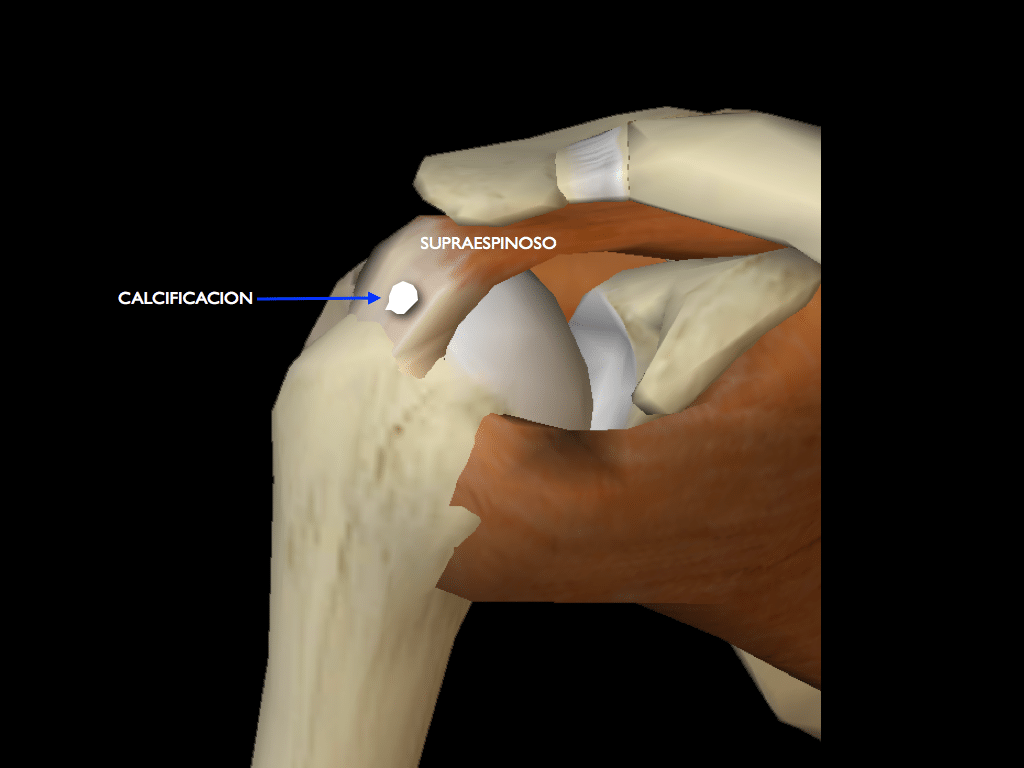
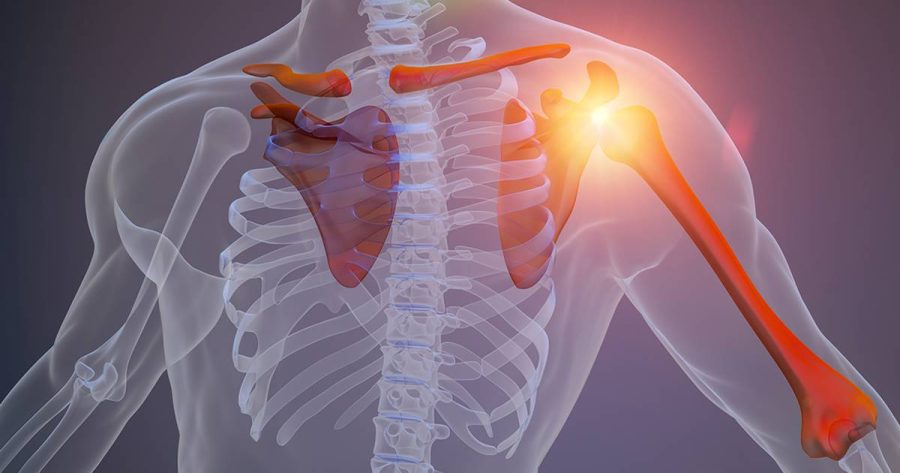
Calcifications are a disorder characterized by the deposition of calcium crystals that stiffen a tissue with elastic characteristics such as tendons, muscles, fasciae or bursae.
It is a process in which calcium accumulates in body tissue, causing such tissue to harden, replacing damaged tissue with hard tissues of low resistance or depositing hydroxyapatite crystals and when many crystals are deposited, a small bone is formed, called calcification.
When calcifications occur near the joints, they can limit movement and accelerate cartilage wear. In advanced cases, this can lead to chronic degenerative pathologies, such as osteoarthritis of the ankle, especially if the calcium deposit is located in the distal part of the leg.
What are the causes of calcification?
It is important to differentiate calcification pain from pain caused by degenerative processes. Many patients with calcium deposits in the patellar tendons also often manifest symptoms compatible with osteoarthritis of the knee, and a differential diagnosis is essential to apply the correct treatment.
Microtrauma and mechanical overloads
This may be due to the practice of sports, some kind of accident or continuous mismanaged daily activities, can generate small injuries that added in time prolong recovery, so the body seeks to replace the injured tissue by other more resistant creating fibrosis and the deposition of calcium crystals.
Aging of the tissues with decreased blood flow
The walls of the capillaries (smaller caliber blood vessels) thicken with age, decreasing oxygen exchange with the body’s cells, hindering tissue repair and causing fibrosis and the deposition of calcium crystals.
Inadequate nutrition
The appearance of calcifications is related to certain foods, due to the fact that our body is acidifies due to the PH of our blood. Foods that can cause the appearance of calcifications are precooked products, trans fats, bread and hyperhormonated cow’s milk.
Problems resulting from a malfunction of the organism
Symptoms
Pain, inflammation and functional impotence are the main symptoms of calcification, although they are diagnosed by radiography or ultrasound.
Treatments
Therapeutic treatment
It is the most conservative and focuses on performing exercises and stretching in order not to lose strength and muscle tone.
Electrotherapy
In MIVI Bonilla we have several electrotherapy devices, this will depend on how the calcifications are. These techniques help the fragmentation and resorption of calcified tissue, and the regeneration of healthy tissue. This treatment is usually combined with manual therapy.
Within electrotherapy we can find:
- Shock waves: consists of acoustic waves that are applied with a conductive head in the area where the calcification is located, fragmenting the calcium deposits and thus favoring their reabsorption.
- Iontophoresis: consists of the application of local analgesic medication through currents applied to the skin to reduce pain and inflammation.
- Low power laser: a low power laser is emitted in order to activate tissue regeneration by stimulating cellular response.
Remember that calcifications are the result of repeated inflammation. Thanks to medical advances in MIVI we perform a diagnosis to choose the most appropriate treatment for your situation.