

Calcification Flushing (Bubbling) and Advanced Physical Therapy for Calcific Tendinitis
Published on:
Last modified:
What Is Shoulder Calcification?
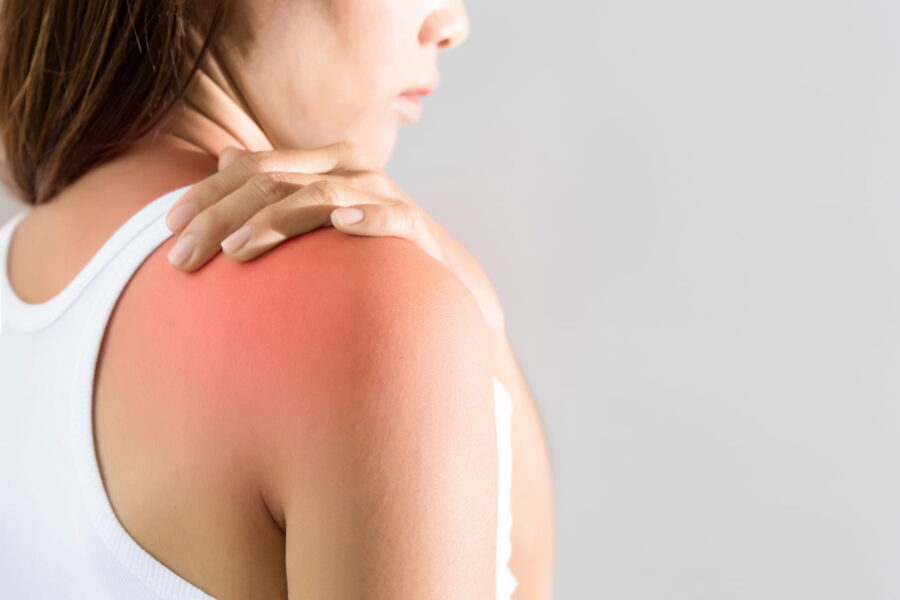
Calcifications in the shoulder are calcium deposits that form in the tendons, particularly in the supraspinatus tendon of the rotator cuff.
These calcifications can cause:
· severe shoulder pain
· restricted movement
· difficulty sleeping on that side
· inflammation of the subacromial bursa (bursitis)
When calcifications are large or cause significant pain, one of the most effective treatments is calcification flushing, or ultrasound-guided flushing.
What Is Barbotage or the Removal of Calcifications?
Barbotage is a minimally invasive technique that involves aspirating or fragmenting calcifications using ultrasound-guided needles.
During the procedure, the following is performed:
1. Exact location of the calcification using ultrasound
2. Insertion of a needle into the calcified area
3. Fragmentation and Cleaning of the Calcium Reservoir
The goal is to reduce the pressure and inflammation caused by calcification.
The Role of Physical Therapy After a Drowning Incident
After the removal of calcifications, physical therapy is essential for:
· reduce residual inflammation
· Restore shoulder mobility
· Strengthen the rotator cuff
· Avoid putting additional strain on the tendon
At MIVI Advanced Physical Therapy, we combine:
– manual therapy
– therapeutic exercise
· shock waves
· invasive techniques, if necessary
This approach helps speed up recovery and prevent relapses.
Frequently asked questions:
Does a splat hurt?
It is performed under local anesthesia and is generally well tolerated.
How long does recovery take?
Usually between 3 and 6 weeks with physical therapy.
Do calcifications always require surgery?
No. In many cases, wading and physical therapy are sufficient.
Author: Hugo Quintana
Director of MIVI Advanced Physical Therapy