

Recover your life without headaches
Headache may seem like an everyday occurrence, but when it is repeated or becomes chronic, it is no longer a simple symptom but a disease that affects your daily life. At the Headache Unit of MIVI Salud
we approach headaches from a comprehensive medical point of view, with the aim of reducing pain, preventing crises and helping you to recover your quality of life.
Make an appointment at the Headache Unit of Sant Cugat
Symptoms
Headache -or headache- is one of the most frequent reasons for medical consultation.
In many cases it is mild and transitory, but when it appears recurrently or becomes chronic
it can significantly affect rest, concentration, work performance
and personal and social life.
.
Prevention
Identifying the factors that trigger or worsen pain is key to effective treatment.
- Sleep disturbances
- Sustained stress and anxiety
- Poor postural hygiene and cervical overload
- Prolonged use of screens and visual overexertion
- Hormonal factors (especially in women)
- Eating habits and certain foods
- Cervical musculoskeletal or nerve problems
Treatment
Our approach is based on an accurate diagnosis and personalized treatment. We perform an exhaustive evaluation and, depending on the case, we combine education in lifestyle habits, pharmacological treatment, physiotherapy and cervical rehabilitation, psychological support and advanced interventional techniques in resistant or chronic headaches.
Most common types of headache
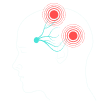
Tension headache
Related to muscular tension, stress, anxiety or maintained postures.
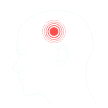
Migraine
Intense, throbbing pain, often with nausea, vomiting and sensitivity to light or noise.
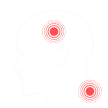
Cervicogenic headache
Originating in structures of the neck that produce referred pain to the head.
Frequency and impact of pain
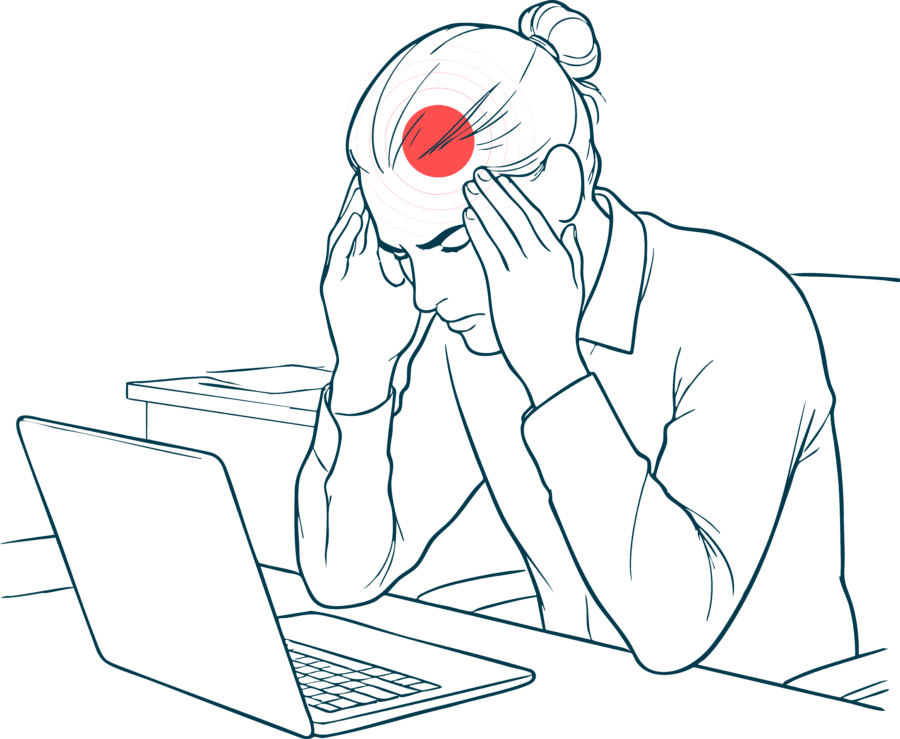
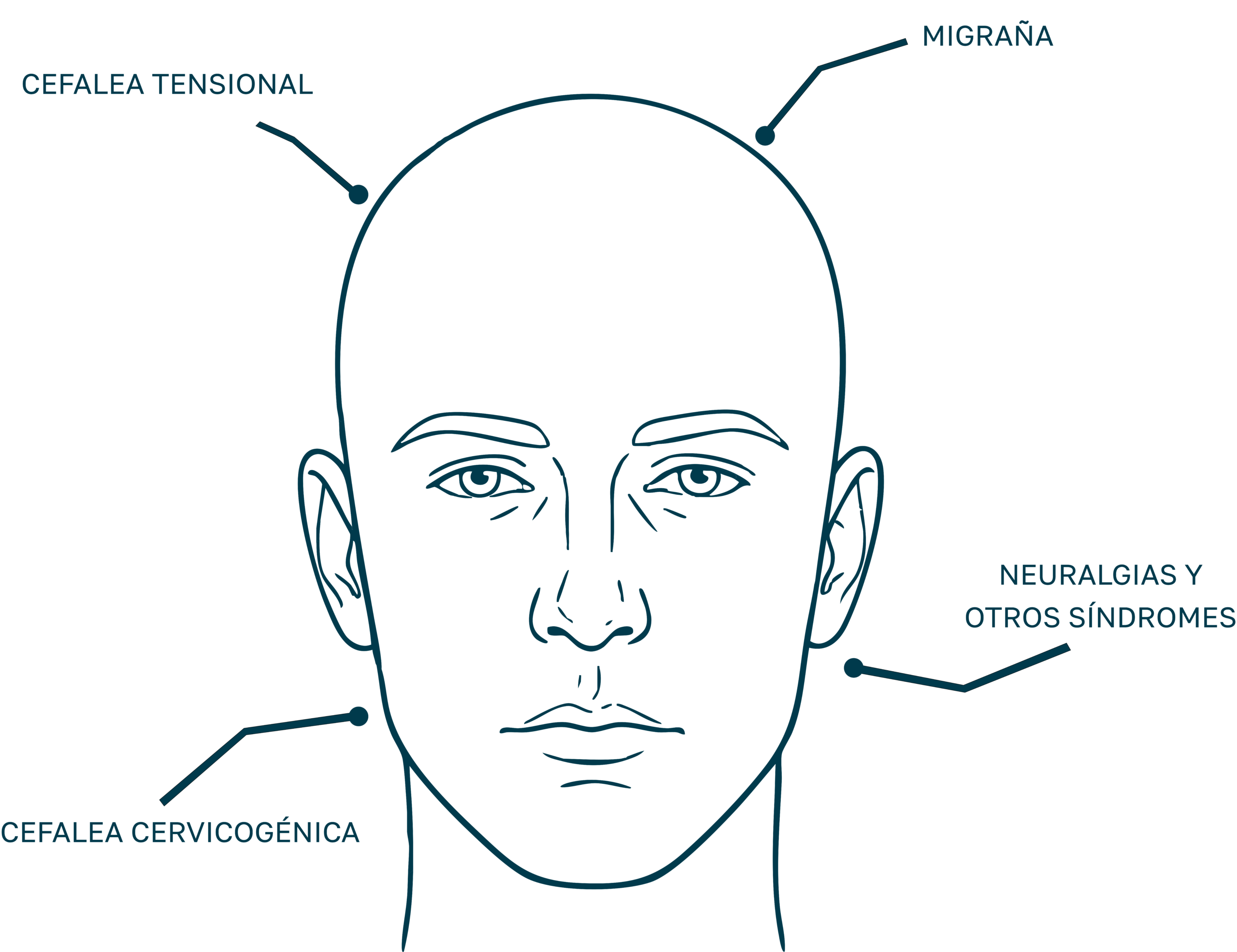
Usual location and patterns
TENSIONAL HEADACHE (frontal/occipital or "banded" area): usually related to muscle tension, stress or sustained postures.
MIGRAINE(Frequent unilateral and throbbing): may be accompanied by nausea, vomiting and sensitivity to light or noise; influenced by hormonal, dietary or emotional factors.
CERVICOGENIC HEADACHE (cervical origin): initiated or sustained by neck structures (joints, muscles, nerves) and manifests as pain referred to the head.
NEURALGIAS AND OTHER SYNDROMES (Trigeminal/occipital, etc.): specific conditions such as occipital or trigeminal neuralgia may cause headache with particular characteristics.
When is it advisable to visit a specialist?
We recommend that you consult our Headache Unit if the pain appears several days a month or has become chronic, if it interferes with your work, rest or personal life, or if it does not respond to the usual treatments or is increasingly intense.
Warning signs:
- Neurological disturbances or other unusual symptoms
- Very sharp and intense pain
-
Fever
-
Neck stiffness

What you need to know about headache
It's not just "a headache".
When repeated or chronic, it can become a disease that affects rest, concentration, performance and social life.
Identifying triggers is part of treatment.
Factors such as sleep, stress, posture, screens, hormones or eating habits can trigger or worsen crises.
Follow-up makes the difference
Continuous follow-up allows for treatment adjustment, relapse prevention and reduction of medication dependence.
Centers where we can serve you
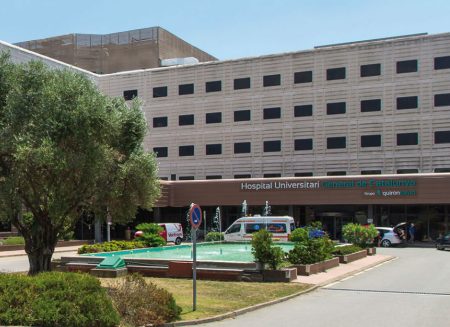
- Barcelona

