

Reclaim your life free of pelvic pain
Pelvic pain should not become normal when it limits your life. If it lasts more than 3 months, is repeated frequently or conditions your rest, your work or your sex life, it may be chronic pelvic pain and deserves a specialized assessment. At MIVI Salud we approach it with a comprehensive medical vision: we identify the origin, design a personalized plan and, if necessary, apply advanced interventional techniques.
Request your appointment at MIVI Barcelona Instituto Aliaga
Request your appointment at MIVI Manresa
Symptoms
Pelvic, perineal or genital pain, burning, pain on sitting, pelvic pressure, dyspareunia, urinary urgency, painful constipation, chronic prostatitis, worsening with stress.
Frequent causes
Pelvic floor dysfunction, endometriosis, interstitial cystitis, irritable bowel syndrome, neuralgia, lumbo-pelvic biomechanical alterations.
Treatment
Step-by-step plan: education and active habits, medical treatment, specialized pelvic floor physiotherapy and, in selected cases, advanced interventional techniques.
Types of pelvic pain
Myofascial / pelvic floor pain
Muscle hypertonia, trigger points and impaired motor control. Very frequent and underdiagnosed.

Neuropathic pain
Related to irritation of the pudendal nerve or other pelvic nerves. Produces burning, stinging or electrical sensation.

Visceral pain
Linked to gynecological (endometriosis, adenomyosis), urological (interstitial cystitis) or digestive (irritable bowel) causes.
Frequency and impact
- When the pain lasts more than 3 months or is repeated, it ceases to be an isolated symptom and conditions daily life.
- It can interfere with work, rest, sexuality and emotional state.
- The goal of treatment is to restore function and quality of life, not just to reduce pain.
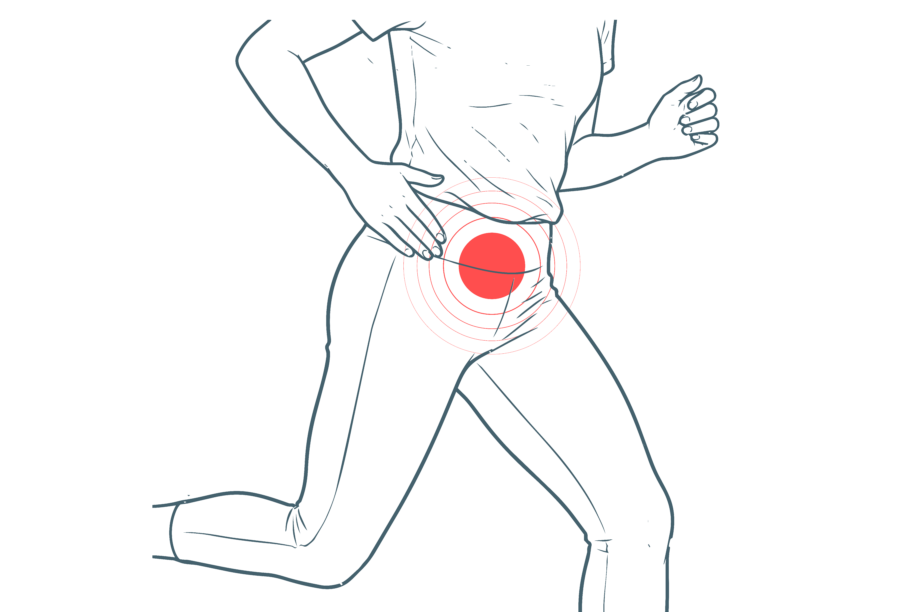
Location and patterns
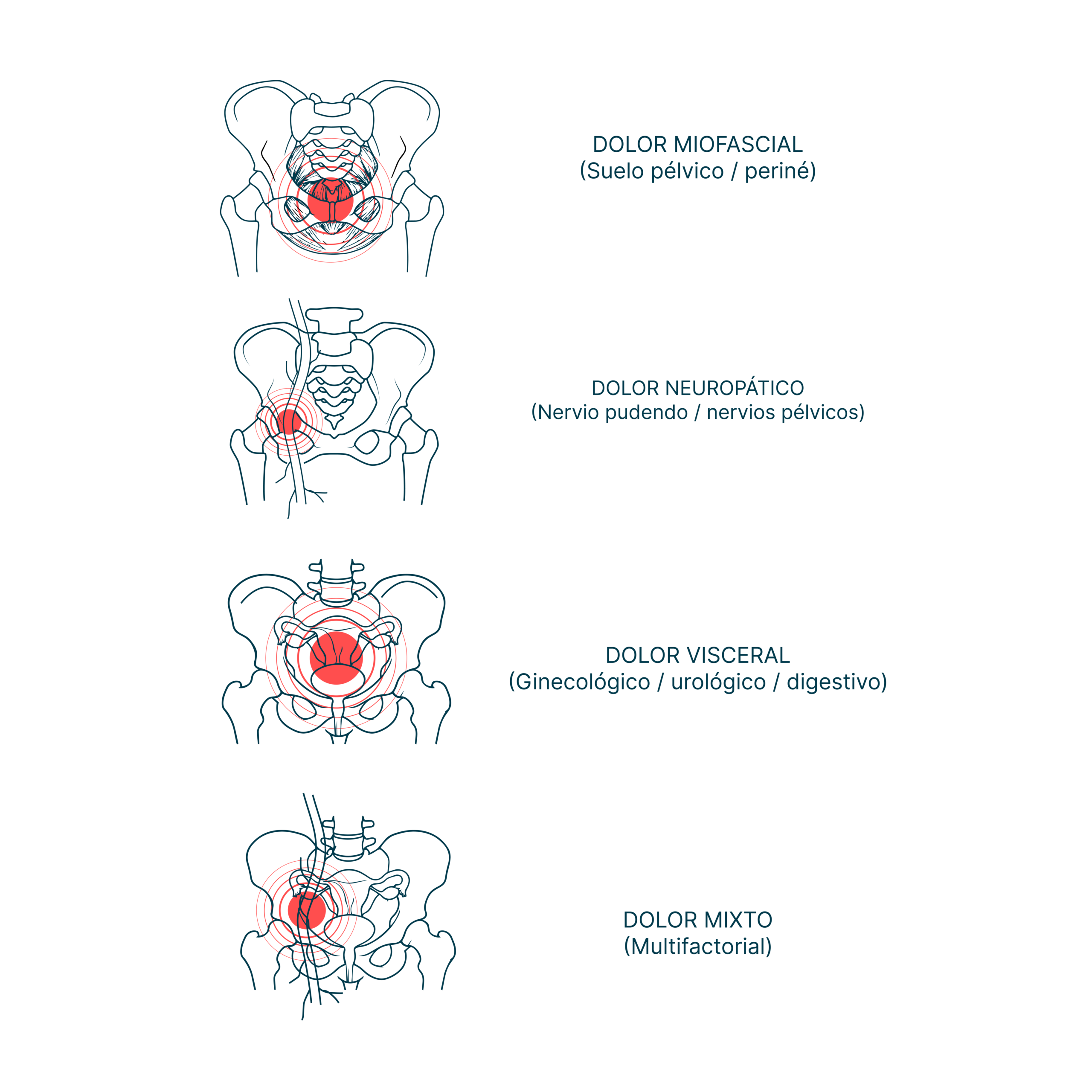
MYOPHASCIAL PAIN (pelvic floor / perineum): related to chronic muscle tension, trigger points and impaired motor control. Often aggravated by stress, surgery or childbirth.
NEUROPATHIC PAIN (pudendal nerve / pelvic nerves): burning, stinging or "electric current" sensation. Typical pain when sitting, which improves when standing or lying down.
VISCERAL PAIN (Gynecological / urological / digestive): linked to endometriosis, interstitial cystitis or irritable bowel syndrome. May overlap with the other mechanisms.
MIXED PAIN (Multifactorial): the most frequent in clinical practice. The combination of mechanisms is the rule, not the exception.
When to see a specialist?
We recommend that you consult our Pelvic Pain Unit if the pain lasts more than 3 months, interferes with your work, rest or sex life, or if it does not improve with conventional treatments.
Warning signs :
- Fever or suspected infection
- Abnormal vaginal bleeding or unexplained weight loss
- Blood in urine or severe back pain
- Sudden onset, severe pain (especially with nausea/vomiting)

What do you need to know?
It is not only a gynecological / urological / proctological symptom.
Pelvic pain can be muscular, neuropathic, visceral or mixed. Without a correct diagnosis, a series of tests are performed without resolving the real cause.
Identifying the mechanism changes the treatment
If myofascial, neuropathic or visceral predominates, the therapeutic plan is different. Getting the origin right is what makes the treatment effective.
Follow-up makes the difference
The earlier the pelvic floor component is treated, the less likely it is to become chronic. Early diagnosis and follow-up is what makes the difference.
Centers where we can serve you
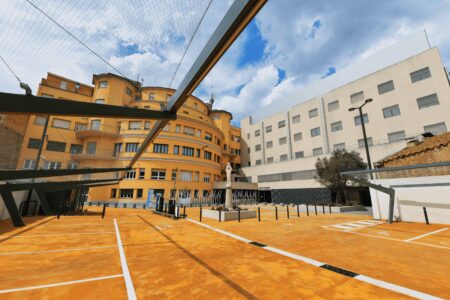
- Barcelona
MIVI Manresa Pain Unit
-
 Caputxins, 16, 08241, Manresa, Barcelona
 -
 647 870 397

- Barcelona